Machine vision, one inspection at a time.
A camera is the easy part. What decides whether an inspection works is the defect you're chasing, the light that makes it visible, the pixels you put across it, and what the cell does when it finds one. These guides go application by application, written by the people who build the cells.
What are you trying to catch?
Each guide covers the defect catalog, how the station is built, the optics and lighting math, which method fits, what goes wrong, and how a robotic cell closes the loop.
Weld inspection
Bead width, height, undercut, porosity and skips on arc and laser welds, and the defects no camera can see.
Surface defect inspection
Scratches, dents, porosity, chatter and paint defects on machined, cast, molded and painted parts.
Assembly verification
Presence, correct variant, orientation, seating and fastener checks, tied to the serial number for traceability.
Dimensional gauging
Distances, diameters, hole positions and gaps against the drawing, with telecentric optics, calibration and gage R&R.
OCR and code reading
Labels and direct part marks, Data Matrix grading, lighting for dot-peen and laser-etched codes, and read-rate math.
Bead and dispense inspection
Adhesive and sealant bead continuity, width, offset and volume, in-process or after, with automatic repair.
Burr and edge inspection
Burr height, edge breaks and chamfers on machined and stamped parts, and the inspect, deburr, re-inspect loop.
Vision-guided robotics
2D and 3D part location, hand-eye calibration, conveyor tracking, and where vision replaces precision fixtures.
Resolution and lens calculator
Field of view, smallest defect and sensor in; pixels needed, mm per pixel and an approximate focal length out.
The two decisions that matter most.
Most failed vision projects come down to the light or the method, not the camera brand. Get these right first.
Machine vision lighting guide
Bright field, dark field, coaxial, dome, backlight, color and polarization, each with a ray diagram and when to use it.
Deep learning vs rule-based vision
When each wins, how much data you need, how to validate a model for an audit, and why hybrid pipelines win most often.
Choosing a platform.
Vendor-neutral head-to-heads from an integrator that works with all of them and is paid by none.
Looking for vendors rather than methods? See the best machine vision systems, 3D vision cameras and machine vision integrators guides.
Buying and running vision, in plain terms.
Shorter reads from our applications engineers on cost, vendors, AI and keeping a station honest once it runs.
Inspection that does something about what it finds.
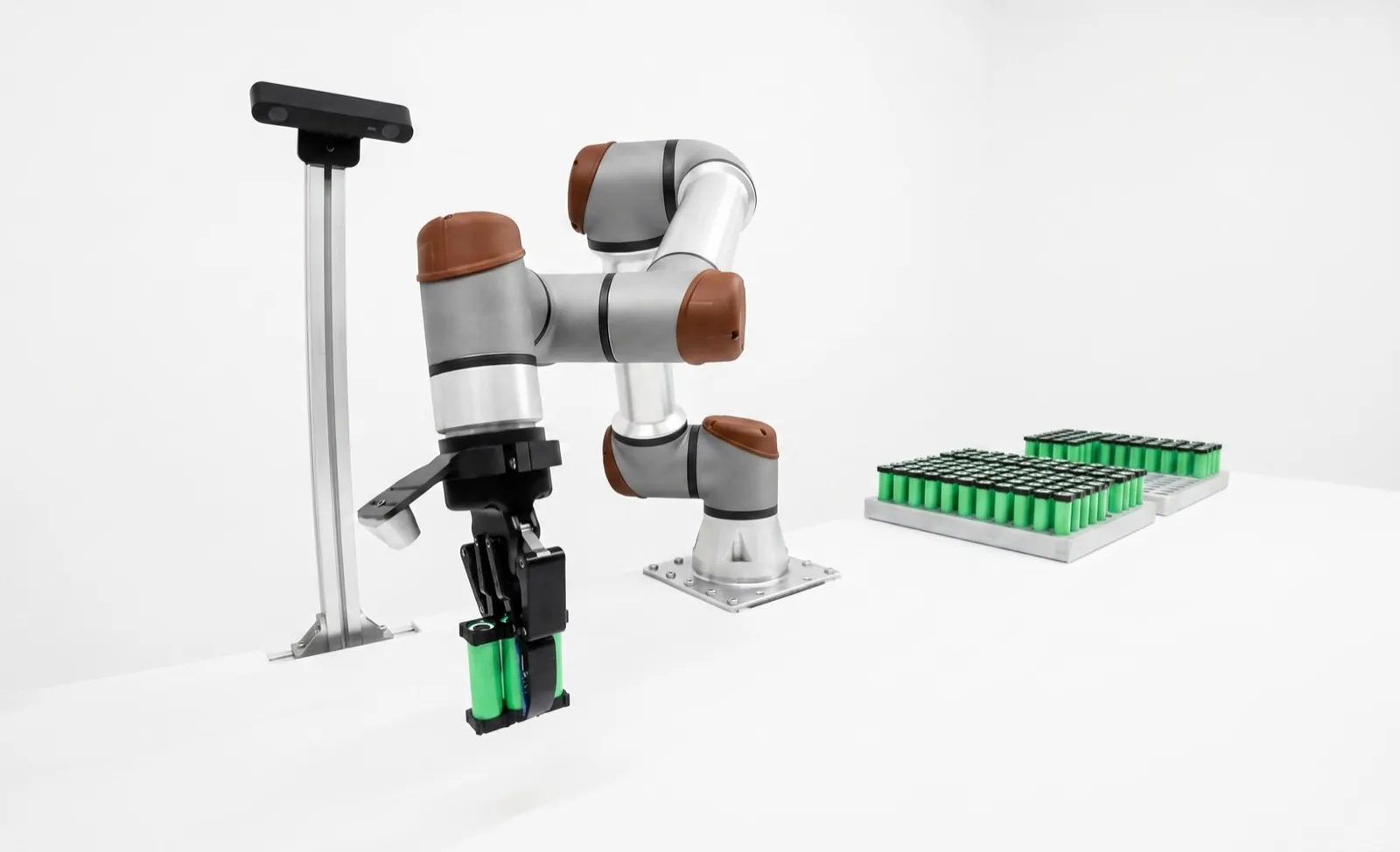
Relling builds robotic workcells with vision built in. The camera inspects every part, and the robot acts on the result: it re-picks, reworks, sorts, or stops the line and tells you why. We pick the camera for the job (Cognex, Keyence, Basler, Zivid, Photoneo and others) and are paid by none of them.
See the Relling machine-vision workcell →Talk to an engineer about your inspection.Bring Relling to your shop floor.
We started Relling to help American manufacturers make more of what this country needs. Tell us about the part and we'll scope a cell to it.