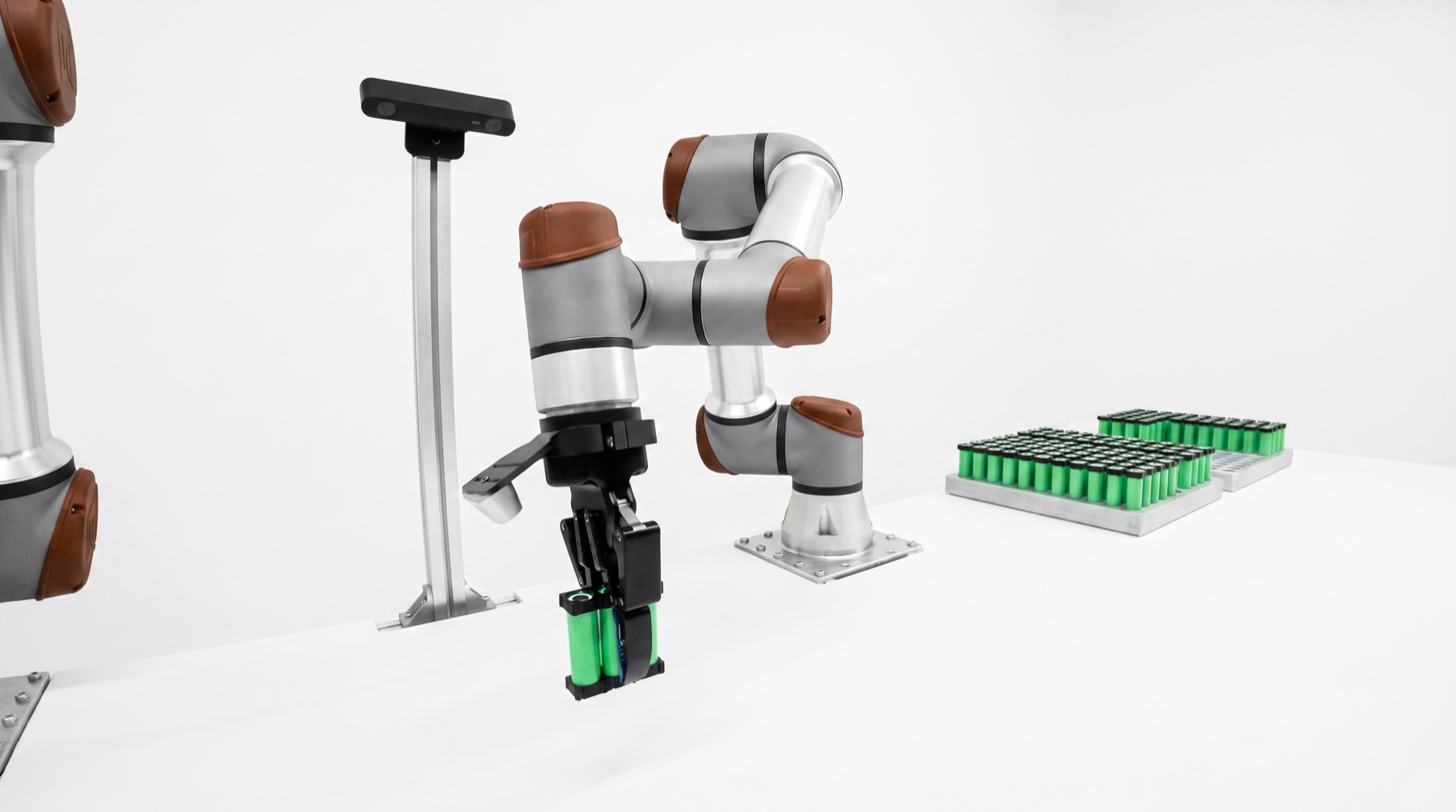
Adaptive welding for the work fixtures can't hold.
Adaptive robotic welding for high-mix, low-volume work that traditional automation cannot fixture or program economically.
The work is changing faster than you can staff it.
The dexterous, high-mix, contact-rich jobs are exactly the work classical automation was never built to hold — and the people who used to absorb it are getting harder to find.
The welder shortage is structural
Tens of thousands of welding jobs go unfilled each year as the trade ages out, and training pipelines cannot close the gap. Automating routine welds lets scarce welders focus on the work that genuinely needs their hands.
High-mix economics changed
Short runs and frequent changeovers used to rule out robotic welding because fixturing and programming never amortized. A cell that reconfigures in software makes automation pay back on lot sizes that were uneconomic before.
Consistency and reshoring
Adaptive welding holds qualified parameters weld after weld, with a traceable record per part. That repeatable quality, deployed in weeks, is what makes bringing high-mix fabrication back onshore defensible.
What the service covers.
One cell, reconfigured per part — not a new machine for every job on the floor.
MIG/MAG welding
Gas-metal arc welds on steel and aluminum assemblies across varied joint configurations.
TIG welding
Precision gas-tungsten arc welds on thin-gauge and high-spec stainless and aluminum parts.
Tack welding
Locating and placing tacks to fixture assemblies before full welding or downstream joining.
Spot welding
Resistance spot welds on sheet-metal panels and brackets at programmed weld schedules.
Seam tracking
Following curved and irregular seams in real time as geometry shifts under heat.
Multi-pass welds
Filling heavy joints with sequenced root, fill, and cap passes on thick sections.
One cell. Assembly, inspection, finishing.
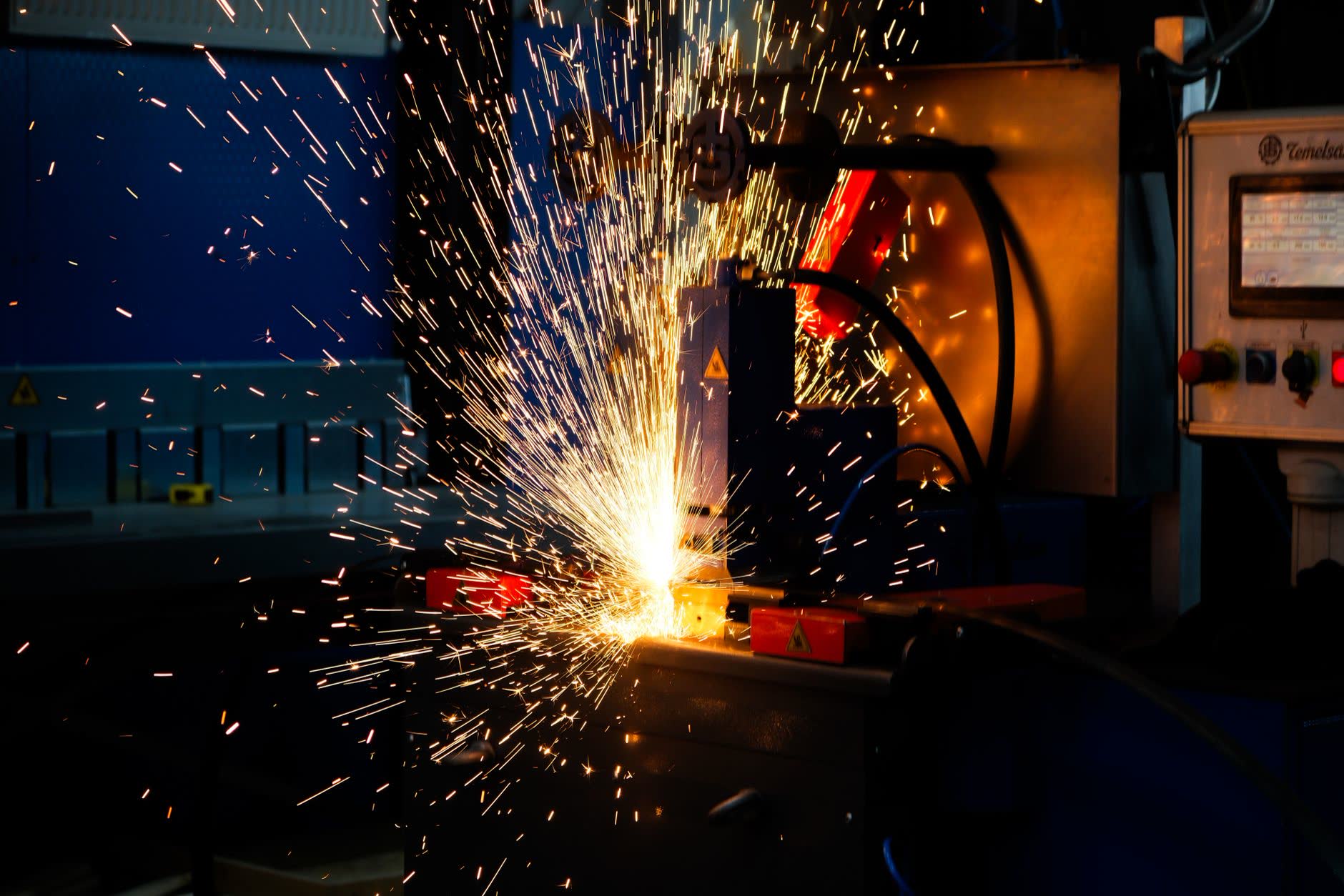
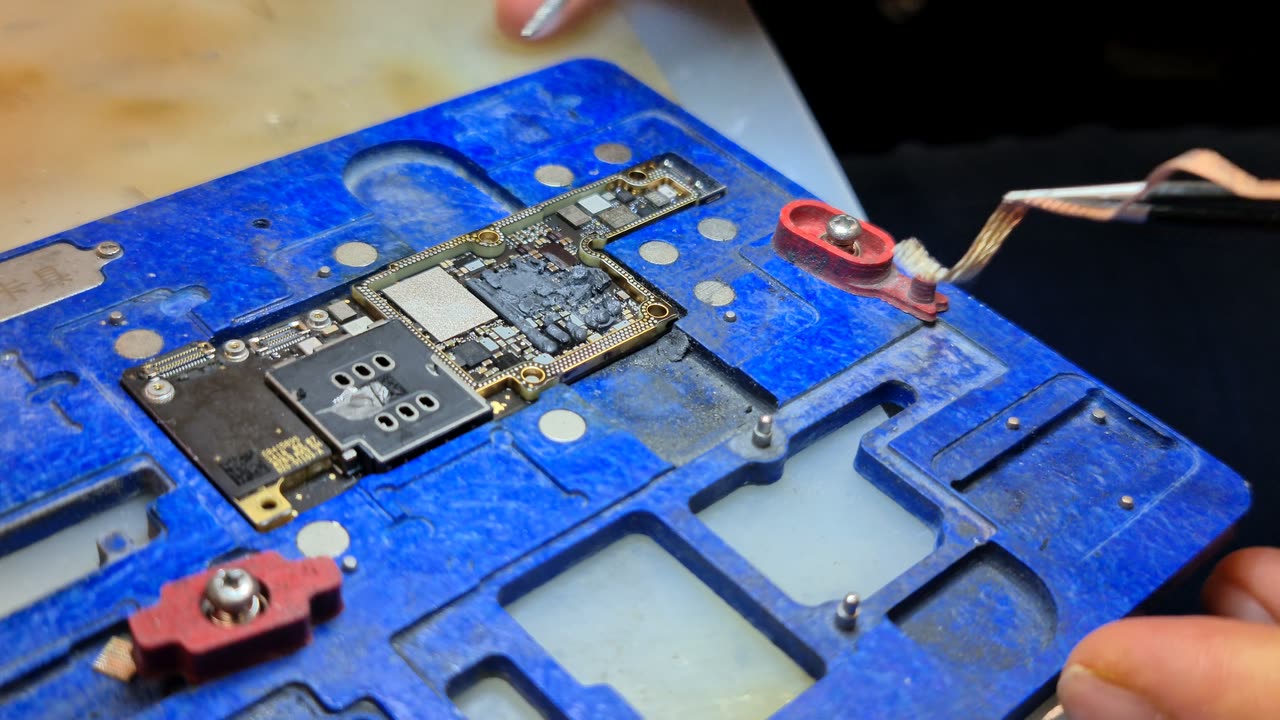

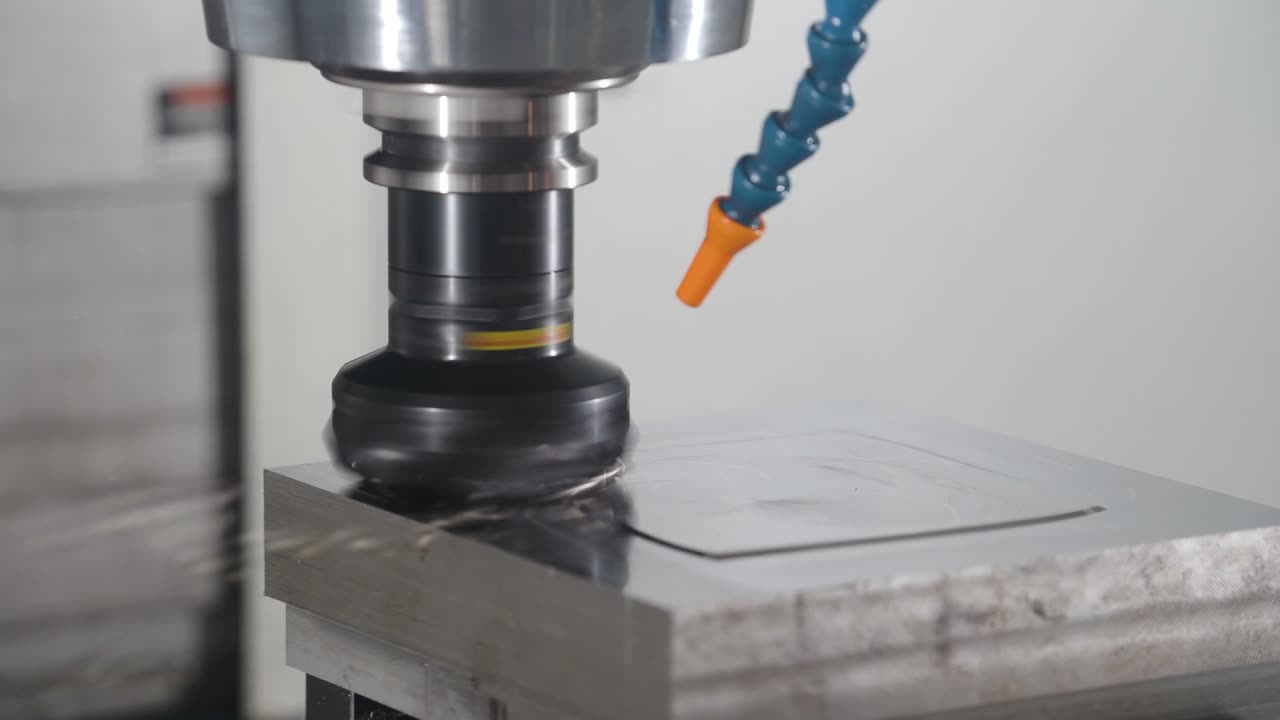
Qualified off-site. Running in two weeks.
The slow, hard engineering happens on our floor — so the cell arrives tested and dialed in instead of tying up your team for months. A new part is a reconfiguration, not a rebuild.
- 01ScopePart, takt, fixturing, and safety boundary fixed upfront.
- 02Pre-buildCell built and tuned at Relling HQ, not your line.
- 03ConfigureSized and fixtured to your exact part.
- 04QualifyProven safe and capable before it ships.
- 05PilotFirst production run on your line.
- 06ProductionRunning the work, shift after shift.
- 07FleetAdd cells as the work pays for them.
Everything arrives in one qualified unit.
Arm, sensing, tooling, software, and safety, selected for your part and qualified as a set.
Manipulator & end-effector
Arm and tooling selected for your part, qualified as a set.
Closed-loop vision
Finds the part, adjusts in real time, verifies its own work.
Skill library & runtime
A new part is a reconfiguration, not a rebuild.
Safety & technician interface
Guarding sized to your floor, failures explained in plain language.
Will it fit your aisle? Yes.
Representative configuration. Final specs are issued with the proposal.
The Welding & Joining brief.
A deeper look at the work, the integration path, and how qualification maps to your process. PDF, 2026.
Bring a Relling workcell to your floor.
We started Relling to help American manufacturers make more of what this country needs. We'll scope a single cell to your parts, qualify it before it ships, and stand behind it on your floor.